
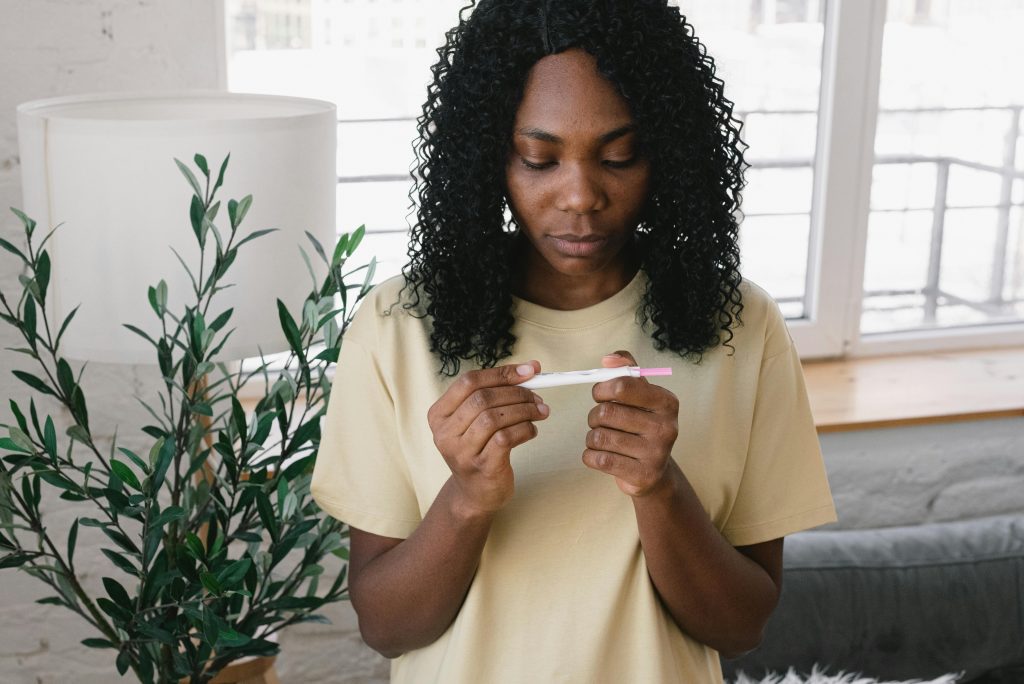
In recent years, the Paleo lifestyle has gained significant popularity for its potential benefits on various aspects of health, including weight management, digestion, and chronic disease prevention. One area that is receiving increasing attention is its impact on fertility. By mimicking the dietary habits of our Paleolithic ancestors, the Paleo diet may offer a natural and holistic approach to improving reproductive health. Here, we explore how adopting a Paleo lifestyle can support fertility for both men and women.
The Basics of the Paleo Diet
The Paleo diet focuses on consuming whole, unprocessed foods available to our ancestors before the advent of agriculture. This includes:
- Lean meats (preferably grass-fed)
- Fish and seafood
- Fruits
- Vegetables
- Nuts and seeds
- Healthy fats (such as olive oil, avocado, and coconut oil)
The diet excludes processed foods, grains, legumes, dairy, refined sugars, and artificial additives, which are believed to contribute to modern health issues.
Here’s the complete paleo food list.
How Diet Can Affect Women’s Fertility?
Diet plays a crucial role in many aspects of health, including fertility. For women, what they eat can have a significant impact on their reproductive system and overall ability to conceive. Here are some key ways diet can affect women’s fertility:
1. Nutrient Intake
- Folic Acid: Essential for DNA synthesis and repair, folic acid is crucial during the early stages of pregnancy. Found in leafy greens, citrus fruits, and beans, it helps prevent neural tube defects and supports overall fertility.
- Iron: Adequate iron levels are necessary to prevent anemia, which can disrupt ovulation. Red meat, beans, and spinach are good sources of iron.
- Zinc: Vital for cell division and hormone production, zinc can be found in meats, shellfish, nuts, and seeds.
- Omega-3 Fatty Acids: These healthy fats, found in fish, flaxseeds, and walnuts, support hormone regulation and reduce inflammation, enhancing fertility.
2. Hormonal Balance
The Paleo diet helps stabilize blood sugar levels by eliminating refined sugars and processed carbohydrates. Stable blood sugar levels are vital for maintaining hormonal balance, which is essential for fertility. Hormones such as insulin, cortisol, and sex hormones (estrogen and testosterone) need to be in harmony for optimal reproductive function. High-quality proteins and healthy fats included in the Paleo diet can further support the production and regulation of these hormones.
3. Inflammation Reduction
Chronic inflammation can negatively impact fertility by disrupting hormone production and causing conditions such as polycystic ovary syndrome (PCOS) and endometriosis. The Paleo diet, rich in anti-inflammatory foods like vegetables, fruits, and omega-3 fatty acids, helps reduce inflammation and support a healthy reproductive system.
4. Weight Management
Maintaining a healthy weight is crucial for fertility. Excess body fat can lead to hormonal imbalances, while too little body fat can disrupt menstrual cycles. The Paleo diet promotes a balanced intake of macronutrients and encourages a healthy relationship with food, helping individuals achieve and maintain an optimal weight for fertility.
5. Detoxification and Gut Health
A healthy digestive system is essential for fertility, ensuring proper nutrient absorption and hormone metabolism. The Paleo diet supports gut health by eliminating inflammatory foods and incorporating fiber-rich vegetables and fruits. Additionally, the emphasis on clean, whole foods aids the body’s natural detoxification processes, reducing the burden of environmental toxins that can impact reproductive health.
6. Lifestyle Factors
While diet is a cornerstone of the Paleo lifestyle, other aspects such as physical activity, stress management, and sleep also play significant roles in fertility. Regular exercise, adequate sleep, and stress reduction techniques like meditation and mindfulness complement the dietary components of the Paleo lifestyle, creating a holistic approach to improving reproductive health.
Summing Up
The Paleo lifestyle, focusing on nutrient-dense, whole foods and the elimination of processed items, offers a promising approach to supporting fertility. By promoting hormonal balance, reducing inflammation, managing weight, and enhancing overall health, the Paleo diet can help individuals improve their chances of conception and support a healthy pregnancy. As with any dietary change, it’s important to consult a healthcare provider to ensure it meets individual needs and health conditions.
Get free weekly recipes directly in your inbox 💌
Thank you!
You have successfully joined our subscriber list.


