
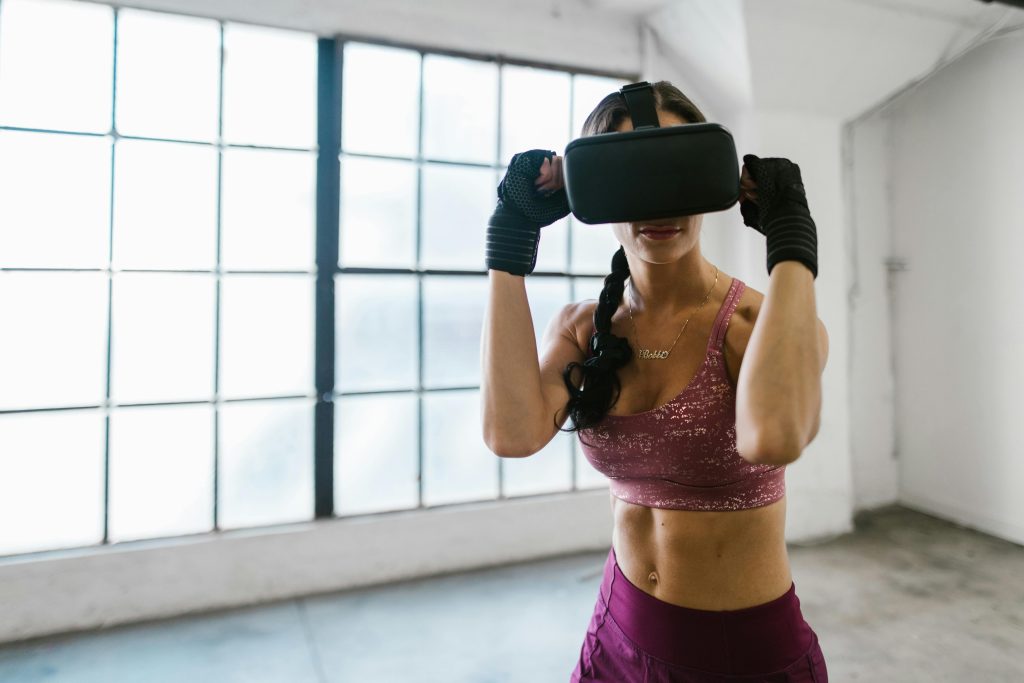
Technology is changing how we exercise. Virtual and Augmented Reality are turning workouts into exciting, personalized experiences that go far beyond traditional gyms. These are the new 2025 fitness trend!
VR and AR make fitness feel like a game. Instead of boring exercise routines, people can work out in stunning virtual landscapes, follow personalized digital coaches, join global fitness communities, and track progress with innovative technology.
These tools transform exercise from a chore into an adventure. By making workouts more fun and interactive, VR and AR are helping more people stay motivated and healthy.
The future of fitness isn’t just about moving—it’s about experiencing fitness in new, engaging ways.
What Are VR and AR Workouts?
Virtual Reality Workouts VR workouts turn exercise into an exciting digital adventure. With a VR headset, you can box in futuristic arenas, dance in vibrant virtual clubs, and explore an imaginary fitness world.
Instead of boring workouts, VR makes exercise feel like an immersive game. You’ll forget you’re even exercising as you move, fight, and explore digital landscapes.
Each workout becomes an interactive experience that challenges both body and mind, transforming fitness from a chore into a thrilling journey.
Augmented Reality Workouts AR workouts, on the other hand, overlay digital elements in the real world. Using devices like smartphones or AR glasses, you can exercise with virtual trainers, follow holographic workout routines, and compete against digital avatars in your living room.
AR blends digital guidance with your environment, making workouts more engaging and personalized. Your home becomes a high-tech fitness studio with just a few tech tools.
Benefits of VR and AR in Fitness
- Enhanced Engagement and Motivation
- Traditional workouts can often feel monotonous, leading to waning motivation. VR and AR workouts add a gamified element, making exercise fun and engaging.
- Competing in virtual challenges, exploring exotic landscapes, or following interactive storytelling can keep users coming back for more.
- Personalized and Adaptive Experiences
- Advanced VR and AR platforms use AI to analyze user data and tailor workouts to individual fitness levels and goals.
- Virtual trainers can provide real-time feedback, helping users improve form and performance.
- Accessibility and Convenience
- Users can work out anytime, anywhere, eliminating the need for gym memberships or expensive equipment.
- AR apps and VR headsets make it possible to create a fitness routine that fits into even the busiest schedules.
- Immersive Environments for Better Focus
- VR headsets block out external distractions, allowing users to immerse themselves fully in their workouts.
- AR’s ability to integrate fitness routines into the real world ensures users stay engaged while maintaining awareness of their surroundings.
- Low Impact, High Enjoyment
- Many VR and AR workouts are designed to be low-impact, making them suitable for beginners, seniors, or individuals recovering from injuries.
- Activities such as rhythm-based games or virtual yoga sessions provide effective workouts while being gentle on the body.
Popular VR and AR Fitness Applications
Supernatural
A VR fitness app offers guided workouts in stunning virtual locations like mountain peaks or serene beaches. Features music-driven exercises tailored to various fitness levels.
FitXR
Combines boxing, dancing, and HIIT in virtual classes with real-time performance tracking. Users can join live classes or follow on-demand sessions.
Zwift
An AR platform designed for cyclists and runners, offering virtual race tracks and interactive challenges. Pairs with real-world equipment like treadmills or stationary bikes.
Holofit
Uses VR technology to transform stationary workout equipment into engaging experiences. Users can row through ancient ruins, cycle in futuristic cities, or jog along scenic trails.
Challenges and Considerations
While the benefits of VR and AR workouts are compelling and gained top spot on the 2025 fitness trend, there are some challenges to consider:
- Cost: High-quality VR headsets and AR glasses can be expensive, though prices are gradually decreasing.
- Technical Learning Curve: Some users may initially find the technology intimidating or challenging to navigate.
- Space Requirements: VR workouts often require a dedicated space to move freely without obstacles.
- Potential for Motion Sickness: Some users may experience discomfort during VR sessions, especially with fast-paced activities.
The Future of VR and AR in Fitness
Technology is rapidly changing fitness through virtual and augmented reality. New tools like smart workout suits, digital coaches, and online exercise games are making workouts more fun and connected.
Virtual fitness experiences will allow people to exercise together from anywhere worldwide. By tracking health data and using wearable tech, these digital workouts can become more personalized and effective. As digital spaces grow, working out could feel more like a social game than a solo chore.
Key developments include: haptic feedback suits that make digital workouts feel more real, AI coaches that adapt to your fitness level, multiplayer games that make exercise more engaging, and global workout communities in shared digital spaces.
The future of fitness is interactive, social, and tailored to individual needs.
Conclusion
VR and AR workouts are not just a passing 2025 fitness trend—they represent a fundamental shift in how people approach fitness. By merging technology with physical activity, VR and AR are making exercise more accessible, enjoyable, and effective. Whether you’re a fitness enthusiast or a beginner looking for motivation, these innovative platforms offer a glimpse into the future of health and wellness. Embrace the revolution and step into a world where fitness meets imagination.
Get free weekly recipes directly in your inbox 💌
Thank you!
You have successfully joined our subscriber list.


