A Practice Rooted in Balance
Nature moves in cycles—the ebb and flow of tides, the waxing and waning of the moon, the
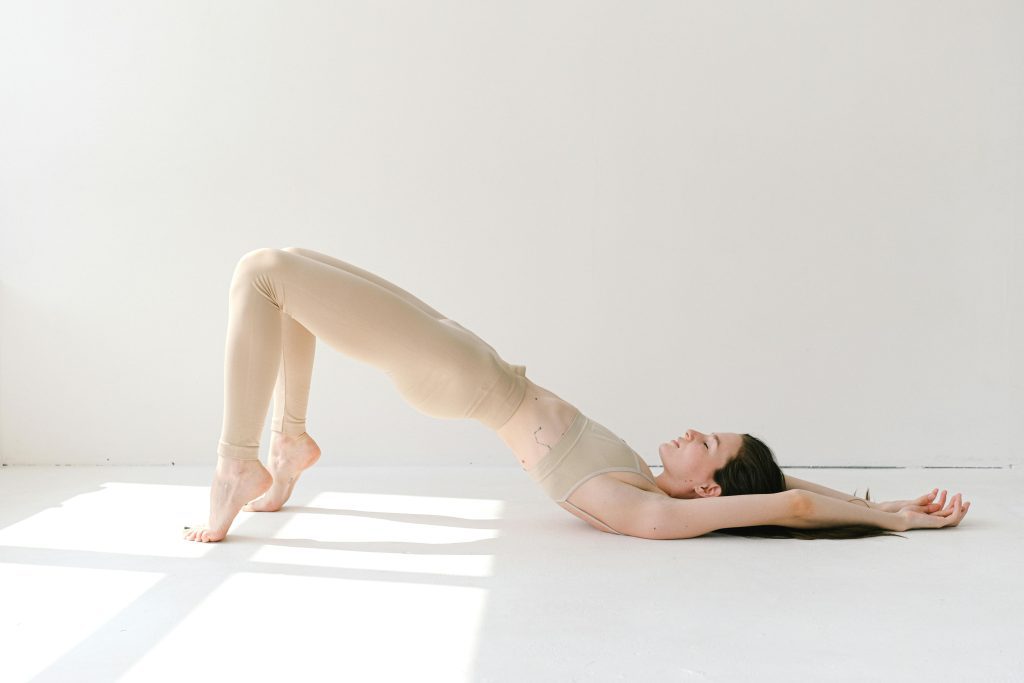
quiet dormancy before spring’s renewal. Similarly, the human body craves balance. Pilates offers this through controlled, intentional movements that easily align strength with suppleness and effort. Unlike high-impact workouts that push the body into overdrive, Pilates fosters a mindful relationship with movement.
Developed by Joseph Pilates in the early 20th century, this method was initially called “Contrology”—the art of controlling movement with breath and precision. It does not emphasize speed or heavy lifting but rather the ability to engage, stabilize, and move purposefully.
Strength from the Inside Out
Pilates builds what fitness experts call “functional strength”—supporting daily activities. It starts from the core, often called the “powerhouse” in Pilates. A strong core does more than sculpt the abdominal muscles; it protects the spine, improves posture, and makes everyday movements—from picking up groceries to standing tall—effortless.
Breath is an integral part of the practice. Rather than being an afterthought, breath is a tool to guide movement, deepen the connection between mind and body, and promote a sense of calm even in moments of challenge.
The Unexpected Gifts of Pilates
Beyond its physical benefits, Pilates fosters a deeper body awareness. Pilates invites individuals back into their bodies in a culture that often encourages detachment from the physical self through long hours of sitting, constant productivity, and dismissal of discomfort.
Practitioners become more aware of their posture, areas of tension, and breath patterns under stress. This awareness extends beyond the mat and influences daily life. Small adjustments, such as sitting up straighter at a desk or taking intentional breaths in moments of anxiety, become second nature.
Wisdom in Motion
A well-known podcast once described the body as an instrument, not an ornament. Pilates embodies this philosophy—it is not about aesthetics but function, resilience, and connection.
The true beauty of this practice lies not just in toned muscles or improved flexibility but in the way it teaches individuals to move through life with greater awareness and ease.
As Joseph Pilates famously said, “Change happens through movement, and movement heals.”
A Gentle Invitation
Pilates offers a welcoming path for those looking to strengthen the body without punishing it, build resilience without exhaustion, and cultivate presence through movement. Regardless of age, fitness level, or experience, this practice meets individuals where they are and gently guides them toward greater well-being.
A quiet space, a deep breath, and a simple movement can serve as a starting point. Perfection is not the goal—presence is. The body is not something to be conquered; it is something to be nurtured, listened to, and honored.
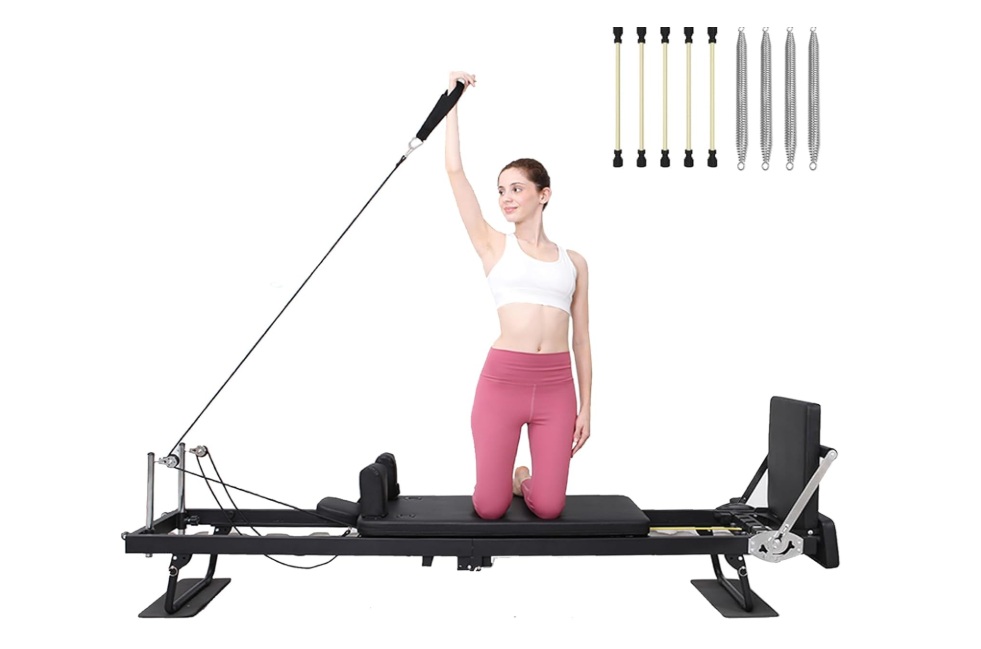
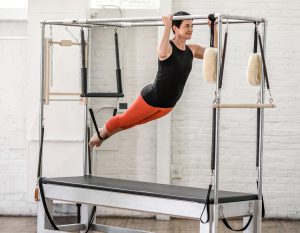
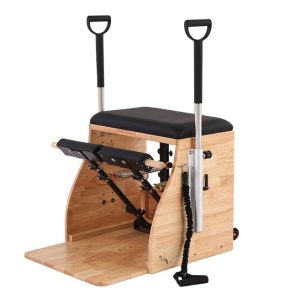
Resources to Get Started
When done with intention, movement has the power to transform—not just the body but life itself.
Final Thoughts
Pilates is more than a workout—it’s a practice of self-awareness, strength, and grace. In a world that often demands more, faster, and harder, Pilates encourages a different approach: one of presence, precision, and balance. It reminds us that true strength is not just about how much we can push ourselves but how well we can listen to our bodies and move with intention.
Whether stepping onto the mat for the first time or deepening an existing practice, Pilates offers a space to reconnect—with breath, movement, and the simple joy of being in your body. The benefits extend beyond toned muscles or increased flexibility; they weave into daily life, fostering resilience, confidence, and a sense of ease.
Finally, Pilates is an invitation to slow down, move purposefully, and cultivate a body that supports movement and a life lived fully.