
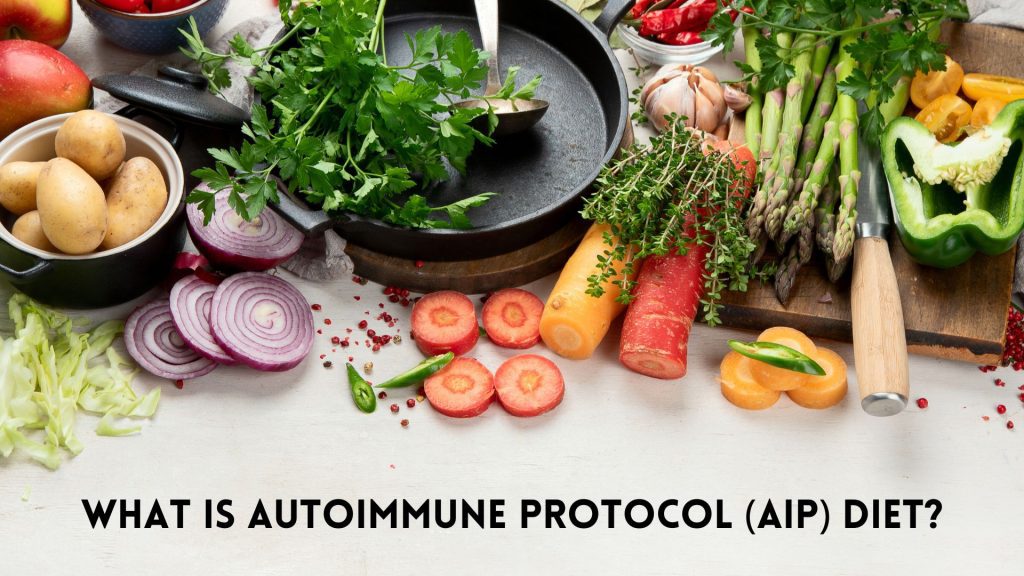
The Autoimmune Protocol (AIP) diet is designed to help those struggling with autoimmune conditions by reducing inflammation, supporting gut health, and identifying potential food triggers. Rooted in nutrient-dense, whole foods, AIP eliminates common inflammatory ingredients like grains, dairy, and processed sugars while emphasizing healing foods that nourish the body. But can it truly make a difference in how one feels? This article explores the science behind AIP, its potential benefits, and how to approach it sustainably.
How Does the AIP Diet Work?
Autoimmune diseases occur when the body’s immune system mistakenly attacks healthy tissues, leading to chronic inflammation and symptoms such as joint pain, fatigue, digestive issues, and skin conditions. The AIP diet aims to calm the immune response by focusing on whole, unprocessed foods while eliminating potential triggers.
The AIP diet is structured into two main phases:
- Elimination Phase – This phase involves removing foods known to contribute to gut irritation, inflammation, and immune system overactivity. Common eliminations include:
- Grains (wheat, rice, oats, corn, etc.)
- Dairy products
- Legumes (beans, lentils, peanuts, soy)
- Nightshade vegetables (tomatoes, potatoes, peppers, eggplants)
- Nuts and seeds
- Eggs
- Alcohol and caffeine
- Food additives, refined sugars, and processed oils
- During this phase, individuals consume nutrient-dense, anti-inflammatory foods such as grass-fed meats, wild-caught fish, organic vegetables, fermented foods, bone broth, and healthy fats like avocado and coconut oil.
- Reintroduction Phase – After strict elimination (typically 30 to 90 days), foods are slowly reintroduced one at a time while monitoring the body’s reaction. The goal is to identify specific food triggers and develop a personalized diet that supports long-term health.
The Science Behind the AIP Diet
The AIP diet is based on research surrounding gut health, inflammation, and immune regulation. Studies suggest that individuals with autoimmune diseases often have increased intestinal permeability, commonly called “leaky gut.” This condition allows harmful substances to enter the bloodstream, triggering an immune response. By removing inflammatory foods and incorporating gut-healing nutrients, the AIP diet helps to restore the intestinal barrier and modulate immune function.
Research also supports the role of an anti-inflammatory diet in managing autoimmune symptoms. A 2017 study published in Inflammatory Bowel Diseases found that individuals with inflammatory bowel disease (IBD) experienced significant symptom reduction after following the AIP diet for six weeks. While more research is needed, anecdotal evidence from those with conditions like Hashimoto’s thyroiditis, rheumatoid arthritis, and lupus suggests potential benefits.
Benefits of the AIP Diet
Many people who follow the AIP diet notice improvements in their symptoms and overall health. It can help with inflammation, digestion, energy levels, skin health, and mental clarity.
One of the most significant benefits is less inflammation. By avoiding foods that cause inflammation and eating more nutrient-rich options, people may feel relief from joint pain, swelling, and digestive issues. Since inflammation plays a big role in autoimmune diseases, reducing it can make a big difference.
The AIP diet also focuses on better gut health. Foods like bone broth, fermented vegetables, and collagen-rich proteins help heal the gut lining, which is often damaged in people with autoimmune conditions. A healthy gut supports digestion, nutrient absorption, and a stronger immune system.
Many followers of the diet also report higher energy levels. Cutting out processed foods and eating more whole, nourishing meals can help keep blood sugar steady and prevent energy crashes. This leads to better focus and more consistent energy throughout the day.
Another common benefit is clearer skin. Autoimmune conditions like eczema and psoriasis can cause skin problems, but changing the diet may help. Since gut health and inflammation affect the skin, eating the right foods can lead to noticeable improvements.
Finally, many people experience better mental clarity. The gut and brain are closely connected, and reducing inflammation can help with focus and brain fog. This can be especially helpful for those who struggle with concentration due to their autoimmune condition.
Potential Challenges of the AIP Diet
While the AIP diet offers many benefits, it can also be challenging due to its restrictive nature. Meal planning may become overwhelming, as finding compliant ingredients and preparing meals from scratch takes extra time and effort. Social situations, such as dining out or attending gatherings, can be difficult, as many common foods are off-limits. Additionally, eliminating entire food groups like legumes and dairy requires careful planning to ensure a balanced intake of essential nutrients and prevent deficiencies.
Who Should Consider the AIP Diet?
The AIP diet may be beneficial for individuals with autoimmune conditions who struggle with persistent symptoms despite conventional treatments. However, it is essential to consult a healthcare professional before making significant dietary changes, especially for those with underlying health conditions or nutrient absorption concerns.
Getting Started with the AIP Diet
For those interested in trying the AIP diet, here are some tips for a smooth transition:
- Start with Small Changes – Gradually remove inflammatory foods to ease into the elimination phase.
- Focus on Nutrient-Dense Foods – Prioritize high-quality proteins, healthy fats, and a variety of vegetables.
- Plan Meals in Advance – Having AIP-compliant meals prepared can help maintain consistency.
- Keep a Food Journal – Tracking symptoms and food intake during the reintroduction phase can provide valuable insights.
Final Thoughts
The Autoimmune Protocol (AIP) diet isn’t just another short-term eating plan. It’s a journey toward understanding the body and what it truly needs to thrive. For many people, it’s a path to discovering food sensitivities, easing inflammation, and reclaiming a sense of balance. While it takes patience and dedication, the rewards can be life-changing. People often find relief from stubborn autoimmune symptoms and a renewed sense of control over their health. At its core, AIP is about more than just food—it’s about tuning in, listening to the body’s signals, and creating a foundation for lasting well-being.
Get free weekly recipes directly in your inbox 💌
Thank you!
You have successfully joined our subscriber list.


