
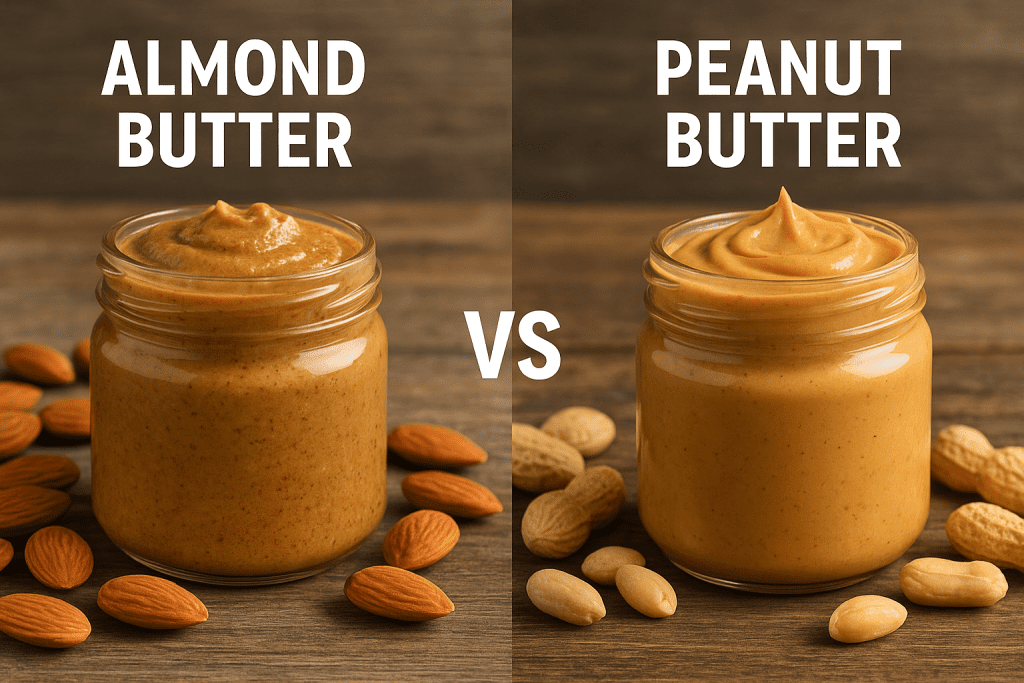
When following a Paleo lifestyle, food choices aren’t just about taste—they’re about nourishment, ancestral alignment, and avoiding inflammatory triggers. So when it comes to spreads, one question often pops up: Almond butter vs. Peanut butter—which is better for your Paleo diet? Let’s break down the facts and help you make a gut-friendly, Paleo-approved decision.
The Paleo Perspective: What’s In, What’s Out?
The Paleo diet focuses on whole, unprocessed foods that our ancestors would have eaten—think vegetables, fruits, meats, seafood, nuts, and seeds. Legumes (including peanuts) are typically excluded due to their lectin content and difficulty in digesting.
Peanuts are not Paleo because they’re technically legumes, not true nuts. This alone disqualifies peanut butter from being Paleo-compliant, no matter how natural or organic it is.
Why Almond Butter Gets the Green Light
Almond butter, on the other hand, comes from almonds—actual tree nuts—and is generally accepted within the Paleo community. Here’s why it’s a better fit:
✅ Paleo-Approved Ingredients
Almonds are rich in healthy fats, protein, vitamin E, and magnesium. When ground into a butter with no added sugars or oils, almond butter remains a clean, whole-food option that aligns with the principles of the Paleo diet.
✅ Gut-Friendly and Anti-Inflammatory
Unlike peanuts, which can contain aflatoxins (a type of mold toxin), almonds are less likely to trigger inflammatory responses. This is especially important for anyone dealing with gut issues, autoimmune conditions, or inflammation.
✅ Blood Sugar Stability
Almond butter has a lower glycemic impact than many other spreads and can help maintain steady blood sugar levels, especially when paired with other proteins or fats.
Nutritional Comparison
Nutrient (per 2 tbsp) | Almond Butter | Peanut Butter |
Calories | ~190 | ~190 |
Fat | ~17g (mostly mono) | ~16g (mono & poly) |
Protein | ~7g | ~8g |
Carbohydrates | ~6g | ~6g |
Fiber | ~3g | ~2g |
Sugar | ~1g (unsweetened) | ~1-3g (varies by brand) |
Note: Values may vary slightly by brand and whether sweeteners or oils are added.
A Closer Look at Peanut Butter: Why It’s Not Paleo
Even the most “natural” peanut butter still comes from a legume. That means:
- It may cause digestive issues for sensitive individuals.
- It contains phytic acid, which can block mineral absorption.
- It may harbor mold (aflatoxins), especially if improperly stored.
If you’re trying to stay true to Paleo guidelines, it’s best to skip it, even if you’ve grown up loving that classic peanut butter flavor.
The Bottom Line: Almond Butter Wins
If you’re living a Paleo lifestyle, almond butter is the clear winner. It’s nutrient-dense, anti-inflammatory, and derived from a food source that aligns with ancestral eating principles. Just make sure to:
- Choose unsweetened, unsalted, and oil-free versions.
- Check labels for additives (even “natural” brands may sneak in sugar or canola oil).
- Consider soaking or sprouting almonds for even better digestibility if you’re making them yourself.
Paleo Tip:
Looking for variety? Try other Paleo-friendly nut butters, such as cashew, hazelnut, or macadamia, for different flavors and nutrient profiles. Rotate your options to prevent sensitivities and keep things exciting.
How to Make Almond Butter at Home
Making your own almond butter is surprisingly simple—and it ensures you’re getting a clean, Paleo-friendly version with no added oils, sugars, or preservatives. All you need is almonds, a food processor or high-speed blender, and a little patience.
Ingredients:
- 3 cups raw almonds
(You can use roasted for a deeper flavor, but make sure they’re unsalted and oil-free.)
Optional Add-Ins (Paleo-Friendly):
- Pinch of sea salt
- 1–2 tsp coconut oil (for smoother texture)
- A dash of cinnamon or vanilla extract for flavor
Instructions:
- Roast the Almonds (Optional but Recommended):
Preheat your oven to 350°F (175°C). Spread almonds on a baking sheet and roast for 10–12 minutes. Let them cool slightly—warm almonds blend more easily. - Blend the Almonds:
Transfer the almonds to a food processor or high-powered blender. Start blending. At first, the almonds will turn into crumbs, then a thick paste, and finally a creamy butter. This can take 10–15 minutes, depending on your machine. Pause occasionally to scrape down the sides of the pan. - Customize the Texture:
If desired, add a teaspoon or two of coconut oil to make the almond butter extra smooth. Blend until it reaches your preferred consistency. - Season to Taste:
Stir in sea salt or spices like cinnamon or vanilla, if using. - Store It Right:
Transfer the almond butter to an airtight jar. It can be stored at room temperature for up to 2 weeks or in the refrigerator for 1–2 months.
Wrapping Up
When it comes to almond butter vs. peanut butter, the verdict is clear for Paleo eaters: almond butter is the better—and truly Paleo—choice. While peanut butter may offer similar macros, it falls short due to its legume status, potential inflammatory effects, and incompatibility with ancestral eating principles.
Almond butter not only fits the Paleo bill, but it also brings a wealth of health benefits—from heart-healthy fats to gut-friendly nutrients. Best of all, it’s easy to make at home with just a few wholesome ingredients and a blender.
Whether you’re spreading it on Paleo pancakes, blending it into smoothies, or spooning it straight from the jar, almond butter proves that clean eating can be both nourishing and delicious. So go ahead—ditch the peanuts, embrace the almonds, and enjoy your Paleo lifestyle one creamy spoonful at a time.
Get free weekly recipes directly in your inbox 💌
Thank you!
You have successfully joined our subscriber list.


