
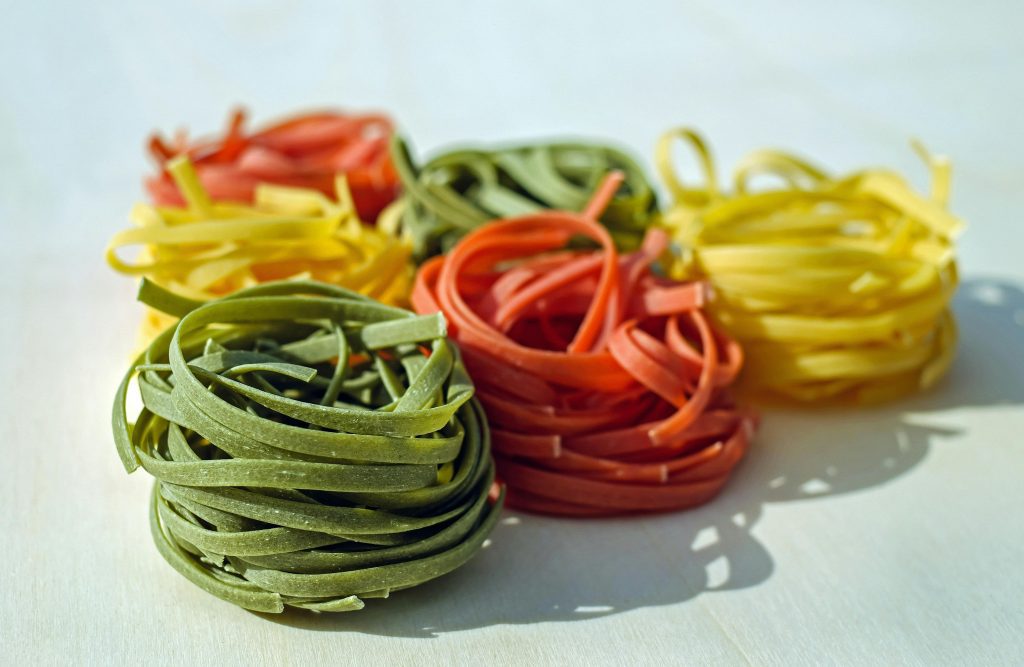
If you think going gluten-free means giving up your favorite comfort foods—think again. Pasta night doesn’t have to disappear from your menu just because wheat’s off the table. With the growing range of gluten-free pasta options and fresh, flavorful ingredients, you can enjoy a satisfying, wholesome meal that hits all the right notes.
Here’s how to create a gluten-free pasta dish that’s not only delicious but memorable enough to become a go-to weeknight favorite.
1. Choose the Right Gluten-Free Pasta
Not all gluten-free pasta is created equal. Luckily, there are plenty of varieties that cook beautifully and hold sauce just like traditional pasta. A few great options:
- Brown rice pasta – mild in flavor and soft in texture, great for classic dishes
- Chickpea or lentil pasta – higher in protein and fiber, with a slightly nutty flavor
- Quinoa pasta – firm, earthy, and perfect for Mediterranean-inspired meals
- Vegetable-based pasta – zucchini noodles or spaghetti squash if you want a grain-free, low-carb twist
👉 Pro Tip: Cook gluten-free pasta until just tender (al dente) and rinse briefly to reduce stickiness and improve texture.
2. Create a Sauce That Elevates the Meal
The sauce is the heart of any pasta dish. Keep it simple, vibrant, and gluten-free by focusing on whole ingredients:
- Aglio e Olio – garlic, olive oil, and chili flakes
- Fresh pesto – basil, garlic, olive oil, and nuts (like walnuts or sunflower seeds)
- Tomato-based sauce – crushed tomatoes, onions, and herbs simmered to perfection
- Creamy dairy-free Alfredo – cashews or coconut milk blended into silky smoothness
Want a richer sauce? Add a splash of starchy pasta water before serving to help it cling to the noodles.
3. Add Seasonal Veggies for Color and Nutrition
Make your pasta dish pop with fresh vegetables. Roasted, sautéed, or steamed—veggies bring texture, flavor, and balance to the plate. Some top picks:
- Roasted zucchini, bell peppers, or cherry tomatoes
- Spinach or kale, lightly sautéed with garlic
- Broccoli, green peas, or snap peas for crunch
- Mushrooms for earthiness or sun-dried tomatoes for tang
Mix and match based on what’s in season or already in your fridge.
4. Include a Protein to Keep You Satisfied
Turn your pasta into a complete meal by adding protein. Choose what fits your lifestyle:
- Grilled chicken or turkey – a lean, savory option
- Tofu or tempeh – great for plant-based diets
- Shrimp or salmon – for an elegant seafood twist
- Chickpeas or lentils – for a hearty, fiber-filled boost
Sprinkle with hemp seeds or nutritional yeast for a plant-powered finish.
5. Finish with Flavorful Toppings
Don’t skip the final touch—it’s what makes the meal feel special:
- A drizzle of olive oil or lemon zest
- Freshly cracked pepper or red chili flakes
- Chopped basil, parsley, or arugula
- Dairy-free Parmesan or crushed toasted nuts for crunch
Set the table, light a candle, and turn up your favorite playlist. These little details transform a pasta night into an experience.
Gluten-Free Doesn’t Mean Flavor-Free
Creating a memorable gluten-free pasta dish is all about intention. When you focus on quality ingredients, balanced flavors, and the people you share it with, you realize that food is more than just fuel—it’s joy, comfort, and connection.
So the next time you’re craving a pasta night, skip the takeout. Make it yourself, make it colorful, and most of all—make it yours.
Get free weekly recipes directly in your inbox 💌
Thank you!
You have successfully joined our subscriber list.


