
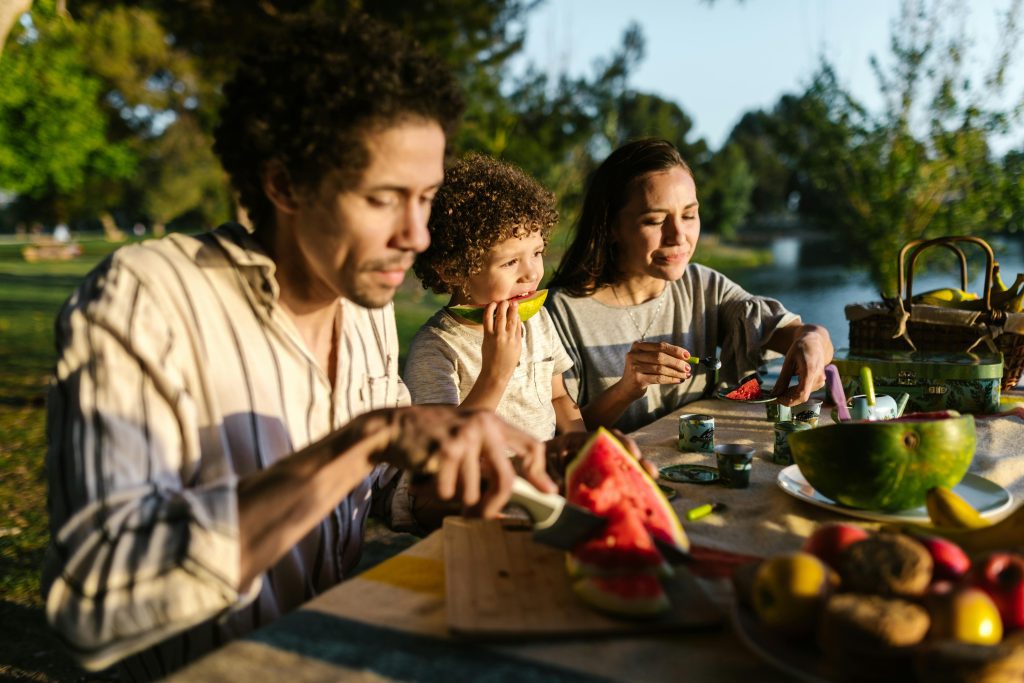
Nowadays, feeding kids feels more complicated than ever. Between ultra-processed snacks marketed as “healthy,” rising food sensitivities, and busy family schedules, many parents are questioning what real nourishment actually looks like. As more families move toward whole-food eating, a common question keeps coming up: Can kids follow a Paleo diet?
With its emphasis on real, unprocessed foods and its elimination of added sugars and artificial ingredients, Paleo can seem like a natural fit for growing bodies. Still, it also raises important concerns around balance, nutrition, and flexibility.
This article breaks down what parents need to know, including the potential benefits, the risks to watch for, and how to apply Paleo principles to support children’s growth, development, and relationships with food.
What Is the Paleo Diet?
The Paleo diet is based on the idea of eating foods similar to those available to our ancestors during the Paleolithic era. It focuses on whole, minimally processed foods such as lean meats and fish, fruits and vegetables, eggs, nuts and seeds, and healthy fats like avocado, olive oil, and coconut oil. At the same time, the diet eliminates grains, legumes, dairy, refined sugars, and highly processed foods.
The overall goal of Paleo is to support metabolic health and reduce inflammation by prioritizing nutrient-dense foods rich in vitamins and minerals while avoiding ingredients commonly linked to chronic health issues.
Why Parents Consider Paleo for Children
Parents may be drawn to a Paleo approach for several reasons:
- Emphasis on Whole Foods
Unprocessed, nutrient-dense foods can support growth, immunity, and overall health. - Reduction in Added Sugars and Junk Foods
Limiting sugary snacks and processed items may support better weight management, energy stability, and dental health. - Focus on Vegetables
Non-starchy vegetables contribute fiber, vitamins, and phytonutrients beneficial for development. - Potential Allergy or Sensitivity Management
Some families find that reducing dairy, gluten, or legumes alleviates gastrointestinal discomfort or inflammatory symptoms.
Evidence and Safety Considerations
When evaluating whether children can follow a Paleo diet, safety and nutritional adequacy are the top priorities. Children have higher nutrient requirements relative to body size compared with adults because of their rapid growth and development.
Current research does not contain large, robust clinical trials specifically on “Paleo diets for children.” Most evidence about pediatric nutrition is derived from general guidelines or studies of individual Paleo foods rather than the diet as a whole.
That said, the core principles of Paleo, focusing on whole foods and minimizing processed items, align with many aspects of established pediatric nutrition recommendations. However, the strict elimination of entire food groups (like dairy, grains, and legumes) carries risks if not carefully managed.
Nutritional Risks and Potential Deficiencies
A strictly applied Paleo diet can create gaps in key nutrients essential for children:
1. Calcium and Vitamin D
- Why important: Bone growth, muscle function, nerve transmission
- Paleo concern: Dairy is the primary source of calcium in many children’s diets; Paleo excludes dairy
- Solution: Increase calcium-rich Paleo-compatible foods (e.g., leafy greens, fish with bones like sardines). Consider supplementation if needed and under healthcare guidance.
2. Fiber
- Why important: Gut health, satiety, blood sugar control
- Paleo concern: No grains and limited starchy foods may reduce total fiber
- Solution: Include high-fiber fruits, vegetables, nuts, and seeds.
3. B Vitamins
- Why important: Energy production, nervous system development
- Paleo concern: Excluding fortified grains may reduce intake of thiamin, riboflavin, niacin, and folate
- Solution: Ensure adequate intake of leafy greens, eggs, and a variety of fruits and vegetables.
4. Iron
- Why important: Growth, cognitive development
- Paleo advantage: Lean meats (especially red meat) are rich in highly absorbable heme iron
- Solution: Pair iron sources with vitamin C–rich foods to enhance absorption.
Benefits That May Translate to Pediatric Populations
When implemented thoughtfully, a Paleo-inspired eating pattern can offer advantages for children:
Improved Food Quality: Replacing processed snacks with nutrient-dense foods can support better growth and energy stability.
Reduced Added Sugars: Lower intake of sweets and sugary drinks may decrease risk of dental issues and help stabilize mood and blood glucose.
Balanced Blood Sugars: Consuming proteins and healthy fats with meals can reduce large glucose spikes and crashes common after processed carbohydrates.
Greater Vegetable Intake: Encouraging a variety of vegetables increases intake of vitamins, minerals, and fiber—important for long-term health.
Practical Guidelines for Parents
If you are considering Paleo principles for your child, the key is balance, flexibility, and nutrient adequacy. Here are evidence-based, pragmatic recommendations:
1. Prioritize Growth and Energy Needs
Children need sufficient calories. If a Paleo plan results in lower overall energy intake, it may impair growth or lead to fatigue.
Strategy: Offer frequent meals and snacks with balanced macronutrients (proteins, healthy fats, carbohydrates).
2. Make It Less Restrictive but Still Whole Foods-Focused
Rather than strict elimination, consider a modified Paleo approach for children that includes:
- Small amounts of whole grains (e.g., quinoa, oats) for energy and fiber
- Legumes, if well-tolerated and prepared, to reduce digestive symptoms
This approach retains the benefits of whole foods while reducing the risk of nutrient shortfalls.
3. Focus on Variety
Rotating proteins, vegetables, fruits, and healthy fats ensures a broad micronutrient profile.
4. Monitor Key Nutrient Intake
Be especially mindful of calcium, vitamin D, iron, B vitamins, and omega-3 fats. Regular pediatric checkups and bloodwork can help ensure adequacy.
5. Avoid Overrestriction in Social Contexts
Rigid dietary rules can create stress for children during school lunches, parties, or family events. Emphasize food quality over rigidity.
When a Paleo Approach May Be Particularly Useful
A Paleo-style eating pattern might be most helpful for children with:
- Food sensitivities or intolerances
- Digestive issues potentially related to processed foods
- Excessive consumption of sugary or highly processed items
- Specific medical guidance from a registered dietitian or pediatrician
However, even in these contexts, strict elimination of entire food groups should be implemented with professional monitoring.
Can Kids Follow a Paleo Diet?
Yes, but with careful planning. A child-appropriate Paleo-inspired eating pattern can support quality nutrition if it:
- Ensures nutrient adequacy
- Is balanced and flexible
- Adjusts restrictions based on developmental needs
- Is monitored by a health professional when necessary
Rather than adopting rigid rules, the most sustainable approach for children focuses on whole, minimally processed foods while ensuring they receive all nutrients necessary for growth, development, and cognitive function.
Get free weekly recipes directly in your inbox 💌
Thank you!
You have successfully joined our subscriber list.


