
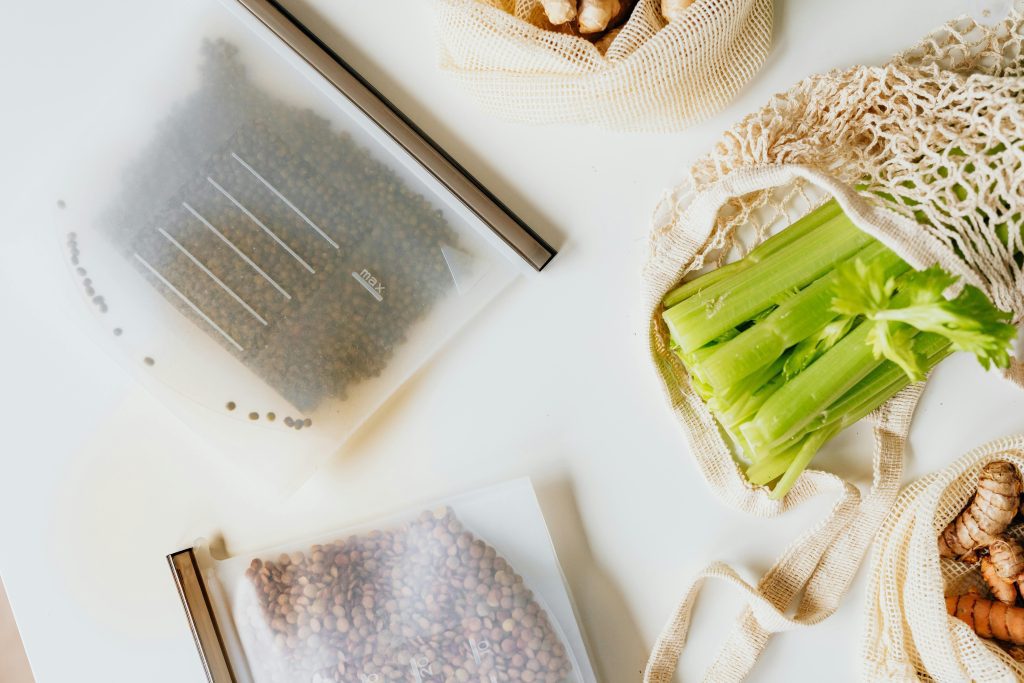
Food preservation is an age-old practice that has evolved significantly over the centuries. It’s a crucial skill that allows us to enjoy fresh produce and other perishable foods year-round. By understanding the basic principles of food safety and applying effective preservation techniques, you can minimize food waste, save money, and ensure the quality and safety of your meals.
What is Food Spoilage?
Food spoilage happens when food gets worse in quality and becomes unsafe to eat. This can be caused by bacteria, mold, or yeast growing on the food, natural changes in the food, or chemical reactions like oxidation. Signs of spoilage include bad smells, changes in color or texture, and mold. Spoilage can be sped up by not storing food correctly or by exposing it to heat, moisture, or air. To stop spoilage, it’s important to store food correctly, keep things clean, and use methods like freezing, refrigerating, or canning.
Understanding the Basics of Food Safety
Before delving into preservation techniques, it’s essential to grasp the fundamental principles of food safety:
- Cleanliness:
- Wash hands thoroughly with soap and water before and after handling food.
- Clean surfaces, utensils, and cutting boards with hot, soapy water.
- Sanitize surfaces with a food-safe disinfectant.
- Separation:
- Keep raw meat, poultry, seafood, and eggs separate from ready-to-eat foods to prevent cross-contamination.
- Use separate cutting boards for raw and cooked foods.
- Cooking:
- Cook foods to a safe internal temperature. Use a food thermometer to ensure accuracy.
- Reheat leftovers to a temperature of 165°F (74°C).
- Chilling:
- Refrigerate perishable foods promptly, ideally within two hours.
- Store leftovers in shallow containers to speed cooling.
- Thaw frozen foods safely in the refrigerator or microwave.
Effective Food Preservation Techniques
Food preservation is a vital practice for extending the shelf life of your favorite ingredients and reducing waste. Whether you’re looking to store seasonal produce, leftovers, or make meals in advance, using the right preservation techniques can help maintain food quality, taste, and safety. In this guide, we’ll explore some effective methods for preserving food, ensuring that you can enjoy fresh, nutritious meals year-round.
Refrigeration
Maintain your refrigerator at 40°F (4°C) or below to slow bacterial growth. Store raw meat, poultry, and seafood on the bottom shelf to avoid cross-contamination. Wrap or cover foods tightly to prevent moisture loss and odor transfer. Use airtight containers for leftovers and label them with the date to track freshness.
These practices help preserve food quality and safety while reducing the risk of spoilage.
Freezing
Wrap foods securely in freezer-safe bags or containers to prevent freezer burn. Label and date each package with its contents and the freezing date for easy identification.
Place the packages in the freezer as soon as possible. Avoid overpacking the freezer to allow air to circulate properly and ensure efficient freezing.
Thaw frozen foods in the refrigerator, cold water, or microwave (if safe for the food). Never thaw foods at room temperature to prevent the growth of harmful bacteria.
Canning
Canning preserves food by sealing it in jars and heating to kill harmful microorganisms. Follow specific canning instructions for each food type. Use a water-bath canner for high-acid foods and a pressure canner for low-acid foods to ensure proper processing and safety.
Invest in a reliable pressure or water-bath canner, and use jars designed for canning. Regularly check the equipment for accuracy and maintenance. After canning, check jars for dents, rust, or swelling, which indicate improper sealing. Ensure lids are concave and sealed properly before storing.
Drying
Drying removes moisture from food to prevent spoilage by inhibiting bacteria, mold, and yeast growth. Ensure foods are dried to the correct moisture level (10-20%) using a dehydrator, oven, or air drying. Proper drying should leave foods pliable (fruits, vegetables) or firm (meats) without any moisture pockets that could cause spoilage.
Store dried foods in airtight containers, such as glass jars or vacuum-sealed bags, in a cool, dark, dry place. Refrigeration or freezing, especially for high-fat foods, is recommended for long-term storage.
Pickling
Pickling preserves food by using an acidic solution, typically vinegar or brine, to prevent bacterial growth.
To ensure safety, the acidity level of the pickling solution must be below a pH of 4.6. Using vinegar with at least 5% acidity and following reliable recipes helps maintain this balance, preventing harmful bacteria from growing. Store pickled foods in airtight jars in a cool, dark place to preserve flavor and safety. Once opened, refrigerate to maintain freshness and prevent spoilage.
Fermentation
For safe fermentation, maintain a consistent temperature between 65°F and 75°F (18°C to 24°C) and monitor the pH, which should drop below 4.6 as fermentation progresses. This creates an environment that promotes beneficial bacteria while preventing harmful pathogens.
Once fermentation is complete, store the food in airtight containers to prevent exposure to air and spoilage. Keep the containers in a cool, dark place, such as a pantry or refrigerator, to preserve the quality and safety of the fermented food.
Additional Tips for Food Safety
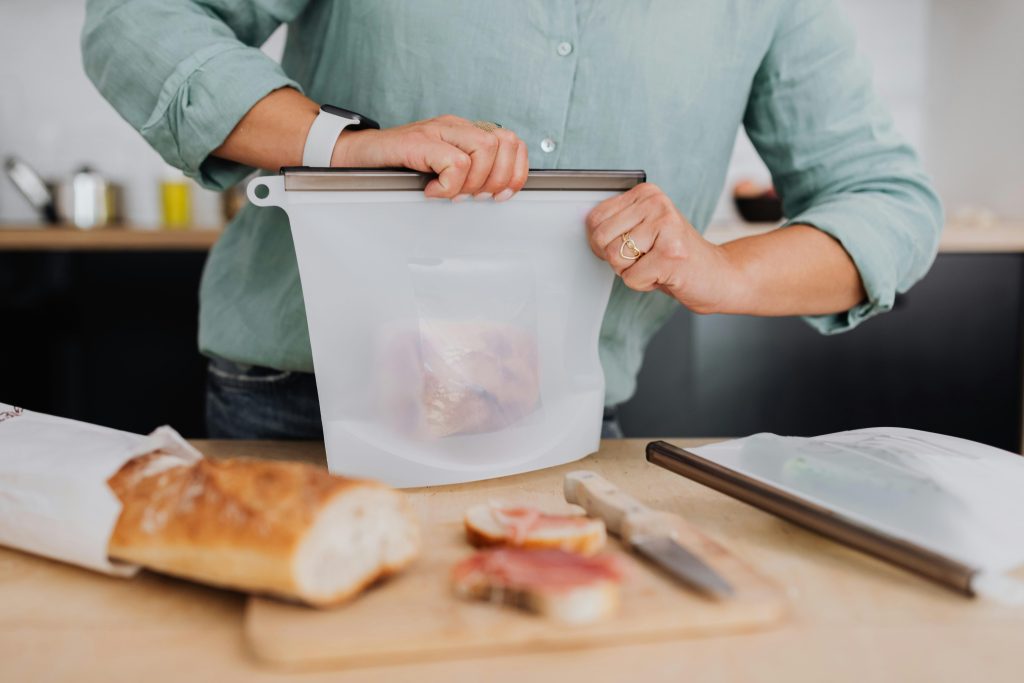
Maintaining food safety is essential to ensuring that the food you prepare and consume is both nutritious and free from harmful contaminants. In addition to the basics of food handling and storage, there are a few extra tips that can help you minimize the risk of foodborne illness and keep your meals safe. Here’s a quick guide to some additional food safety practices that are easy to follow and highly effective.
Avoid Cross-Contamination
Cross-contamination occurs when bacteria from one food transfer to another, potentially leading to foodborne illnesses. For instance, this can happen if juices from raw meat drip onto vegetables. Since vegetables are often consumed raw or lightly cooked, harmful bacteria might not be eliminated, increasing the risk of food poisoning.
To prevent this, always store raw foods separately and ensure they are kept away from ready-to-eat or cooked foods.
Check Expiration Dates
We’ve all faced uncertainty about whether food is still safe to eat. As a general rule, if you’re unsure, it’s better to be cautious and discard it. Always check expiration dates to help determine a food’s freshness. By doing so, you can significantly reduce the risk of consuming spoiled food.
Ensure The Refrigerator and Freezer are Set to the Correct Temperatures
Maintaining proper temperature levels is crucial for safe food storage and preservation.
For optimal food safety:
- Keep your refrigerator at 5°C (41°F) or lower.
- Set your freezer to -15°C (5°F) or below.
These temperatures help slow bacterial growth and preserve food quality effectively.
Cook Foods Thoroughly
Using a food thermometer is a simple yet essential step to ensure food is cooked to a safe internal temperature, reducing the risk of foodborne illnesses. Different types of food require specific temperatures to destroy harmful bacteria effectively. For example:
- Poultry should reach an internal temperature of 165°F (74°C).
- Ground meats like beef or pork should be cooked to 160°F (71°C).
- Fish is safe to eat when it reaches 145°F (63°C).
- Leftovers and casseroles should also be reheated to 165°F (74°C).
Insert the thermometer into the thickest part of the food, avoiding bones or fat, to get an accurate reading. Digital instant-read thermometers are especially convenient for quick and reliable results. By ensuring proper cooking temperatures, you can confidently serve meals that are not only delicious but also safe to eat.
Always Keep Your Cupboards and Refrigerator Clean
Maintain a clean fridge and cupboards to ensure proper food storage and prevent contamination. A dirty cupboard can attract pests like cockroaches, while an unclean fridge may harbor mold, bacteria, and hinder proper air circulation, compromising its efficiency and food safety.
To keep your kitchen safe and hygienic:
- Clean your refrigerator thoroughly every 3 to 4 months, including defrosting if necessary.
- Wipe down and sanitize your cupboards at least once a year, or more often if needed.
Regular cleaning not only preserves food quality but also helps create a healthier environment for storing your groceries.
By following these guidelines and incorporating effective food preservation techniques, you can enjoy safe and delicious food year-round. Remember, food safety is a shared responsibility, so let’s work together to prevent foodborne illnesses and promote healthy eating habits.
Conclusion
Food preservation is an essential skill that has evolved over time, enabling us to enjoy fresh, safe food all year long. By understanding and applying basic food safety principles—such as cleanliness, temperature control, and proper food handling—you can significantly reduce the risk of foodborne illness and extend the shelf life of your meals. Whether you’re using refrigeration, freezing, canning, drying, pickling, or fermentation, each preservation method has its unique benefits. Keeping your kitchen clean and staying vigilant about food safety practices, like avoiding cross-contamination and checking expiration dates, will ensure that you’re able to make the most of your food while preventing waste. By incorporating these simple yet effective techniques, you can protect your health, reduce food waste, and enjoy nutritious meals every day.
Get free weekly recipes directly in your inbox 💌
Thank you!
You have successfully joined our subscriber list.


