
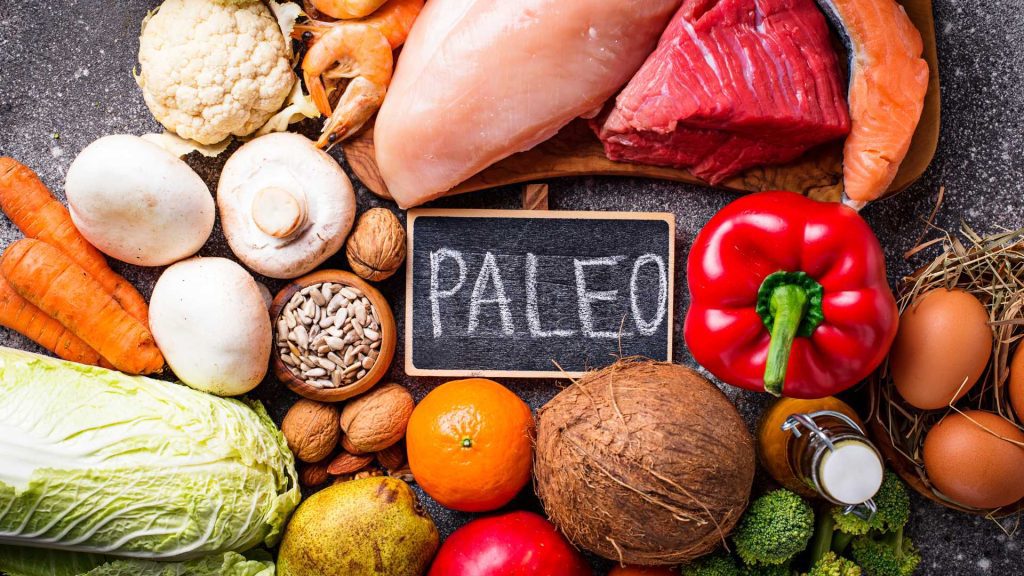
The Paleo diet has become very popular lately, but with so many diets out there like Keto, Vegan, and Nordic, you might wonder if it’s right for you. The Paleo diet is based on what our hunter-gatherer ancestors ate. It focuses on whole foods, lean meats, fruits, vegetables, nuts, and seeds, and avoids processed foods, grains, dairy, and beans. To see if the Paleo diet matches your health goals and lifestyle, think about these factors.
Understanding the Basics of the Paleo Diet
Before deciding if the Paleo diet is for you, it’s important to understand its core principles:
- Whole Foods: Emphasizes eating natural, unprocessed foods.
- Lean Proteins: Includes meat, fish, and eggs.
- Fruits and Vegetables: Encourages a variety of colorful fruits and vegetables.
- Healthy Fats: Sources include nuts, seeds, avocados, and healthy oils like olive and coconut oil.
- Excludes: Grains, dairy, legumes, and refined sugars.
Here’s the complete paleo diet food list.
Evaluate Your Health Goals
Consider your health objectives. The Paleo diet can be beneficial for:
- Weight Loss: By eliminating processed foods and focusing on nutrient-dense options, many people find it easier to lose weight.
- Improved Digestion: The diet excludes foods that can be hard to digest, like grains and legumes, which may improve digestive health for some individuals.
- Increased Energy Levels: Many followers report sustained energy levels due to stable blood sugar levels from eating whole foods.
Assess Your Current Eating Habits
Take a close look at your current diet:
- Do you rely heavily on processed foods? The Paleo diet encourages you to move away from these.
- Are you comfortable eating meat and fish? The diet is protein-rich and may not be suitable for vegetarians or vegans.
- Do you have any food intolerances? If you are lactose intolerant or have celiac disease, the Paleo diet naturally avoids dairy and gluten.
Consider Your Lifestyle
Your daily routine and lifestyle play a significant role:
- Cooking: The Paleo diet involves preparing meals from scratch. Are you willing to invest time in cooking?
- Eating Out: While more restaurants offer Paleo-friendly options, it can still be challenging to find compliant meals when dining out.
- Budget: Quality proteins and fresh produce can be more expensive. Assess if your budget can accommodate these changes.
Evaluate Your Health Conditions
Certain health conditions may influence your decision:
- Autoimmune Diseases: Some people with autoimmune conditions report improvements in the Paleo diet due to its anti-inflammatory properties.
- Chronic Conditions: Consult with a healthcare professional to determine if the diet suits conditions like diabetes, heart disease, or other chronic illnesses.
Listen to Your Body
Pay attention to how your body responds to different foods:
- Try an Elimination Diet: Temporarily remove grains, dairy, and legumes to see how you feel without them.
- Monitor Symptoms: Note any changes in digestion, energy levels, skin health, or overall well-being during this period.
Start Slowly
If you’re unsure about committing fully, start by incorporating Paleo principles gradually:
- Whole Foods First: Begin by adding more whole foods to your diet while slowly reducing processed foods.
- One Change at a Time: Make one dietary change each week to avoid feeling overwhelmed.
Seek Support
Join a community or seek guidance from those who follow the Paleo diet:
- Online Communities: Engage with Paleo forums, social media groups, or local meetups to share experiences and get tips.
- Professional Advice: Consult a nutritionist or dietitian familiar with the Paleo diet to suit your needs.
Conclusion
Determining if the Paleo diet is right for you involves evaluating your health goals, current eating habits, lifestyle, and any health conditions. By understanding the principles of the diet and assessing how well they align with your needs, you can make an informed decision. Remember, any dietary change should promote your overall well-being and be sustainable for the long term. If in doubt, seek advice from healthcare professionals to ensure it’s the best choice for you.
Get free weekly recipes directly in your inbox 💌
Thank you!
You have successfully joined our subscriber list.


