
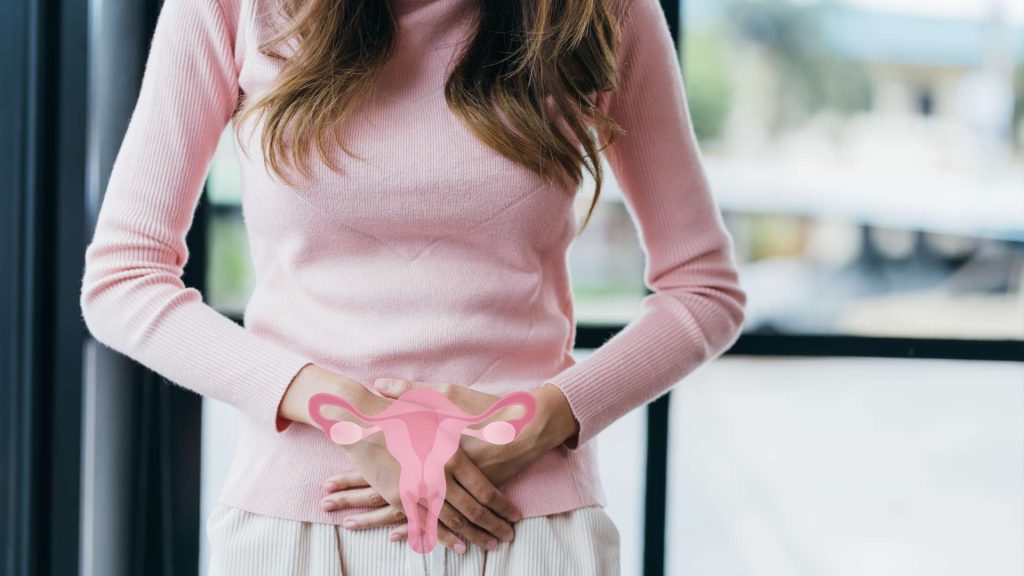
Polycystic Ovary Syndrome (PCOS) is a common but often misunderstood hormone disorder that affects 5 to 10% of women in the U.S. It can cause a range of health issues. Women with PCOS have higher levels of male hormones, leading to problems like acne, painful cysts, and unwanted hair growth. While the exact cause of PCOS isn’t fully understood, diet can make a big difference in managing symptoms. In this article, we’ll look at how the Paleo diet can help naturally ease the challenges of PCOS.
What is PCOS?
PCOS is a hormone disorder in women that causes problems like irregular periods, high levels of male hormones (leading to acne and extra hair growth), and sometimes small cysts on the ovaries. Many women with PCOS struggle with weight gain and have trouble using insulin properly, which can increase the risk of developing diabetes. PCOS can also make it difficult to get pregnant due to irregular ovulation. Managing PCOS often involves lifestyle changes like a healthy diet and exercise, along with treatments to help control symptoms.
Here are the other common symptoms of PCOS (which may vary from person to person):
- Ovulatory Dysfunction: Difficulty with ovulation, which can affect fertility.
- Scalp Hair Thinning: Thinning of hair on the scalp, similar to male-pattern baldness.
- Darkening of Skin: Dark patches of skin, particularly in areas such as the neck, groin, or underarms (acanthosis nigricans).
- Pelvic Pain: Persistent pelvic pain or discomfort, often related to ovarian cysts.
- Fatigue: General tiredness or feeling drained, which can sometimes accompany hormonal imbalances.
How Does The Paleo Diet Support PCOS Management?
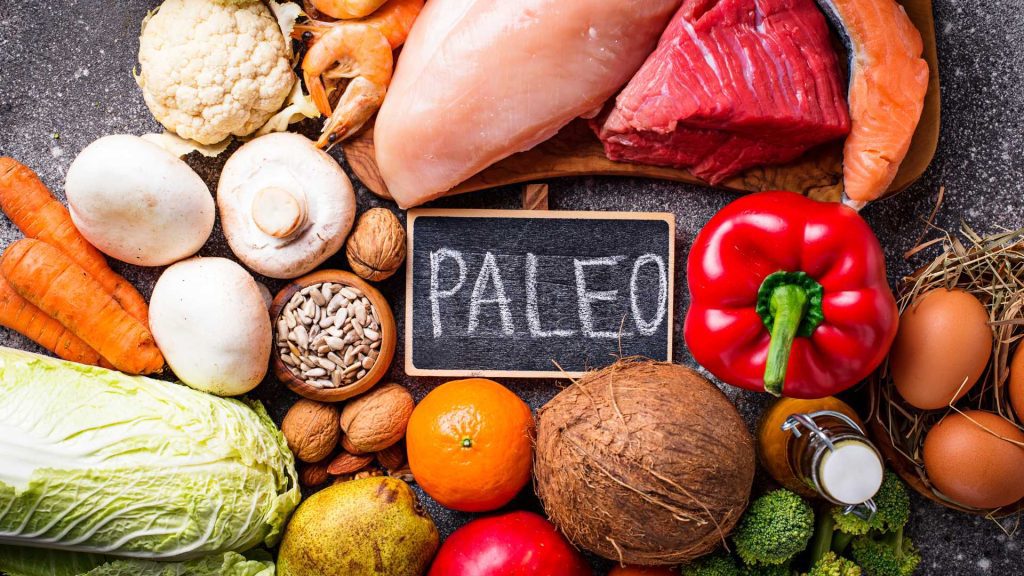
Managing PCOS can be challenging, but the Paleo diet offers a supportive approach. Focused on whole, unprocessed foods, the Paleo diet helps address common PCOS issues like weight management, inflammation, and gut health.
- Reducing Insulin Resistance: One of the key issues with PCOS is insulin resistance, where the body’s cells don’t respond well to insulin, leading to higher blood sugar levels. This forces the body to make more insulin, which can increase male hormones and make PCOS symptoms worse. The Paleo diet helps by cutting out refined sugars and processed carbs, which can stabilize blood sugar and reduce insulin resistance. By focusing on high-fiber vegetables, lean proteins, and healthy fats, the Paleo diet supports balanced blood sugar, which is important for managing PCOS.
- Balancing Hormones: For women with PCOS, elevated levels of male hormones (androgens) are a big problem. The Paleo diet helps by focusing on whole, natural foods and avoiding processed ones that might have chemicals affecting hormones, like BPA in some plastics and cans. The healthy fats in the Paleo diet, such as omega-3s from fish and flaxseeds, can help keep hormones balanced.
- Supporting Weight Management: Managing weight can be challenging for women with PCOS, and extra weight can make symptoms worse. The Paleo diet can help with weight loss and maintenance by focusing on whole, nutritious foods. It enables you to feel full and reduces cravings for unhealthy, high-calorie foods. Plus, by emphasizing protein, the diet helps keep muscle while promoting fat loss.
- Reducing Inflammation: Chronic inflammation is a common problem for women with PCOS, leading to issues like insulin resistance. The Paleo diet includes many anti-inflammatory foods, like fruits, vegetables, and healthy fats. Eating these foods can help reduce inflammation and ease some PCOS symptoms.
- Improving Gut Health: Gut health plays a significant role in overall well-being, including hormonal balance. The Paleo diet focuses on whole, unprocessed foods, which support a healthy gut by offering plenty of fiber and avoiding foods like processed grains and sugars that can upset gut health. A healthier gut can help balance hormones and reduce PCOS symptoms.
Other Lifestyle Factors That Can Manage Symptoms of PCOS
Managing PCOS usually involves more than diet. Certain lifestyle changes can greatly improve symptoms and overall health. Here are some important lifestyle factors that can help manage PCOS effectively.
Limit Exposure to Toxins
Environmental toxins can make PCOS symptoms worse by disrupting hormone balance. A common toxin is BPA, found in many plastics, which can disrupt your endocrine system. To lower BPA exposure, use glass containers for storage, choose BPA-free canned goods, and handle receipts less often since they often contain BPA.
For other harmful chemicals that affect hormones, choose natural or organic personal care and cleaning products, like makeup, deodorant, laundry detergent, and soaps. Using products with fewer chemicals helps reduce exposure to harmful substances.
Buying organic produce can also help limit pesticide intake. In addition, using a water filter can reduce exposure to endocrine disruptors found in tap water.


