
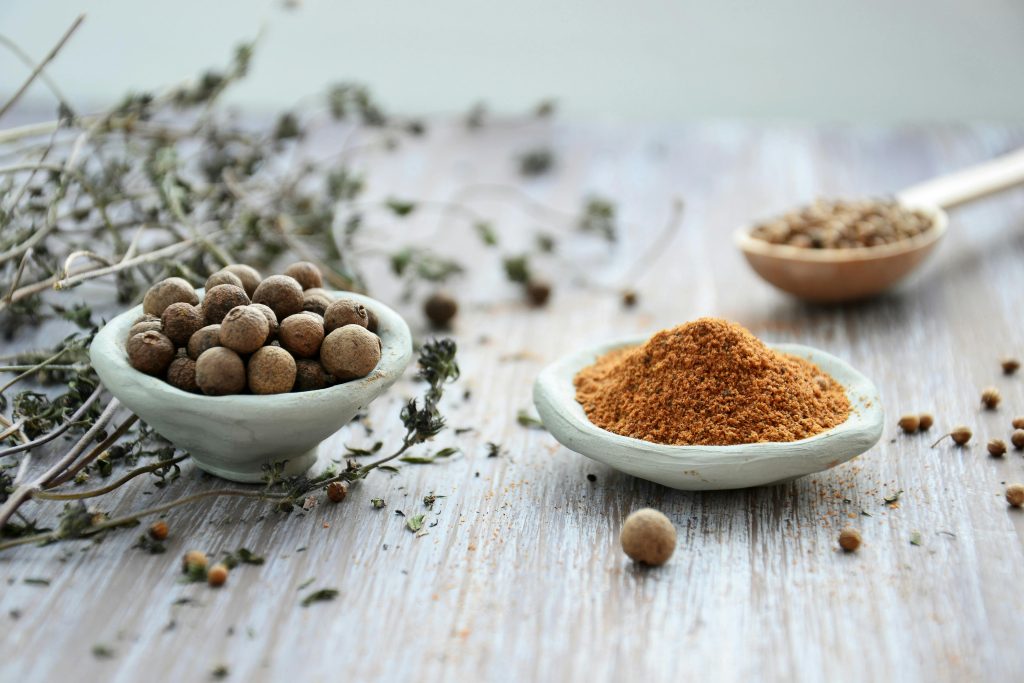
One of the biggest myths about Paleo cooking is that it’s bland — just grilled meat and veggies with little variety. In reality, the right spices transform Paleo meals into nutrient-packed, flavor-rich dishes that keep you satisfied and excited to stay on track.
Spices do more than taste good. They’re loaded with antioxidants, support digestion, reduce inflammation, and bring cultural variety into your meals. Since they’ve been used for thousands of years, spices are perfectly aligned with Paleo’s emphasis on ancestral, whole-food eating.
In this guide, we’ll explore the best spices for Paleo cooking, why they matter, and how to use them daily to make your meals not just healthy, but unforgettable.
Why Spices Matter on Paleo
When you cut out processed foods, sugar, and sauces, your palate resets. This is a good thing — it means you taste natural flavors more vividly. But spices also serve a deeper purpose:
- Boost flavor naturally (no need for added sugar or artificial flavorings).
- Support health through antioxidants, antimicrobial properties, and anti-inflammatory compounds.
- Aid digestion — spices like ginger and fennel help soothe the gut.
- Enhance satiety — flavorful meals feel more satisfying, reducing cravings for non-Paleo foods.
Think of spices as your Paleo “secret weapon” — they keep meals exciting while doubling as natural medicine.
The Best Spices for Paleo Cooking
When it comes to Paleo cooking, spices do more than just make food taste amazing—they also pack powerful health benefits that align perfectly with ancestral eating. From boosting digestion to fighting inflammation, these herbs and spices have been used for centuries as both food and medicine. Here are the 12 best spices for paleo cooking.
1. Turmeric: The Golden Healer
- Why it’s Paleo-friendly: Used for thousands of years in Ayurvedic medicine, turmeric is a natural anti-inflammatory.
- Health benefits: Curcumin, its active compound, reduces joint pain, supports brain health, and boosts immunity.
- How to use it: Sprinkle into roasted veggies, add to bone broth, or mix into Paleo curry dishes. Pair with black pepper to increase absorption.
2. Cinnamon: Sweet Without Sugar
- Why it’s Paleo-friendly: Provides natural sweetness without carbs or processed sugar.
- Health benefits: Helps regulate blood sugar, supports metabolism, and reduces inflammation.
- How to use it: Add to baked apples, Paleo pancakes, sweet potato mash, or coffee.
3. Ginger: Gut-Friendly Powerhouse
- Why it’s Paleo-friendly: Root spices were widely available to ancestral diets.
- Health benefits: Aids digestion, eases nausea, reduces muscle soreness, and supports circulation.
- How to use it: Grate fresh ginger into stir-fries, blend into smoothies, or steep in hot water for tea.
4. Garlic Powder (and Fresh Garlic): Nature’s Antibiotic
- Why it’s Paleo-friendly: Whole, natural, and historically used as both food and medicine.
- Health benefits: Antibacterial, supports heart health, and helps balance gut bacteria.
- How to use it: Add minced garlic to roasted veggies, rub garlic powder onto meats, or stir into sauces.
5. Cumin: Earthy and Warming
- Why it’s Paleo-friendly: Staple in Middle Eastern and Mediterranean cooking.
- Health benefits: Supports digestion, reduces bloating, and contains antioxidants.
- How to use it: Perfect in Paleo chili, roasted meats, or cauliflower rice.
6. Paprika (Sweet or Smoked): Flavor Without Heat
- Why it’s Paleo-friendly: Made from dried peppers, no additives required.
- Health benefits: Rich in antioxidants like vitamin A and carotenoids.
- How to use it: Sprinkle smoked paprika on roasted chicken, eggs, or veggie stews for a smoky depth.
7. Rosemary: Ancestral Aromatic Herb
- Why it’s Paleo-friendly: Herbs like rosemary were used by ancient cultures for cooking and healing.
- Health benefits: Improves circulation, supports memory, and has antimicrobial properties.
- How to use it: Add fresh sprigs to roasted lamb, potatoes, or even infuse into olive oil.
8. Oregano: Immune Booster
- Why it’s Paleo-friendly: A staple Mediterranean herb, easy to grow and dry.
- Health benefits: Contains carvacrol, a natural antibacterial compound.
- How to use it: Sprinkle dried oregano on Paleo pizza crust, chicken, or tomato-based sauces.
9. Thyme: Subtle but Powerful
- Why it’s Paleo-friendly: Ancient Romans used thyme for flavor and preservation.
- Health benefits: Supports respiratory health, fights infections, and aids digestion.
- How to use it: Works well with roasted meats, root vegetables, or stews.
10. Cayenne Pepper: Kickstart Metabolism
- Why it’s Paleo-friendly: Natural spice from chili peppers.
- Health benefits: Boosts metabolism, increases circulation, and provides vitamin C.
- How to use it: Use sparingly in Paleo chili, egg scrambles, or meat rubs.
11. Black Pepper: The Universal Enhancer
- Why it’s Paleo-friendly: Common spice dating back centuries.
- Health benefits: Enhances nutrient absorption, especially turmeric. Supports digestion.
- How to use it: Grind fresh over nearly any dish.
12. Fennel Seeds: Digestive Aid
- Why it’s Paleo-friendly: Seeds have always been part of ancestral diets.
- Health benefits: Reduces bloating, supports gut motility, and balances hormones.
- How to use it: Toast lightly and sprinkle over roasted veggies or brew into a tea.
Spices to Use with Caution on Paleo
While most spices are Paleo-friendly, watch out for:
- Spice blends with additives: Many contain sugar, gluten, or anti-caking agents.
- MSG or artificial seasonings: Not Paleo.
- Excess salt: Stick to high-quality sea salt or Himalayan salt in moderation.
💡 Tip: Always check labels. Go for organic, single-ingredient spices whenever possible.
How to Build a Paleo Spice Pantry
Step 1: Start with the essentials
- Garlic, cinnamon, black pepper, cumin, turmeric.
Step 2: Add variety for flavor rotation
- Oregano, rosemary, paprika, ginger.
Step 3: Stock specialty items
- Fennel seeds, cayenne, thyme.
💡 Pro tip: Buy spices in bulk from trusted sources, then store in airtight glass jars to preserve potency.
Transforming Boring Paleo Meals
Mark, a small business owner, switched to Paleo for gut health but got bored with plain meals. After adding a variety of spices (turmeric for eggs, smoked paprika for chicken, and cinnamon for snacks), he noticed:
- Better energy (anti-inflammatory foods + spices).
- Improved consistency (he didn’t miss processed sauces)
- More excitement at mealtime.
This simple shift from “plain Paleo” to “spiced Paleo” made his diet sustainable long-term.
FAQs: Best Spices for Paleo
- Are all spices Paleo?
Yes, most single-ingredient spices are Paleo. Just avoid blends with sugar, gluten, or artificial additives. - Can spices improve digestion on Paleo?
Absolutely. Ginger, fennel, and cumin are especially helpful for bloating and gut support. - What spices are best for meat on Paleo?
Garlic, rosemary, cumin, paprika, and black pepper enhance natural flavors of meats. - Do spices help reduce inflammation?
Yes. Turmeric, cinnamon, and ginger are powerful anti-inflammatory spices. - Are dried herbs as good as fresh?
Both work. Fresh herbs are more aromatic, while dried herbs are concentrated and convenient. - Can spices help with sugar cravings?
Cinnamon is especially effective for reducing sweet cravings naturally. - What’s the best way to store Paleo spices?
Keep them in airtight glass jars, away from light and heat, to preserve potency.
Spice Up Your Paleo Life
The Paleo diet is about more than just eating like our ancestors — it’s about enjoying real food in all its vibrant flavors. Spices are the bridge between health and pleasure.
By stocking your pantry with turmeric, garlic, cinnamon, cumin, and other Paleo-friendly spices, you’ll not only fight inflammation and improve digestion, but you’ll also make every meal something to look forward to.
➡️ Ready to start? Explore our Paleo Recipes and Paleo Pantry Picks to discover delicious ways to spice up your meals today.
Get free weekly recipes directly in your inbox 💌
Thank you!
You have successfully joined our subscriber list.


